Our Blog

Stop leaving money on the table. Our experts distill complex insurance claim supplements, underpaid estimates, and denial strategies into actionable guides designed to help independent contractors and restorers maximize project payouts and focus on their business.

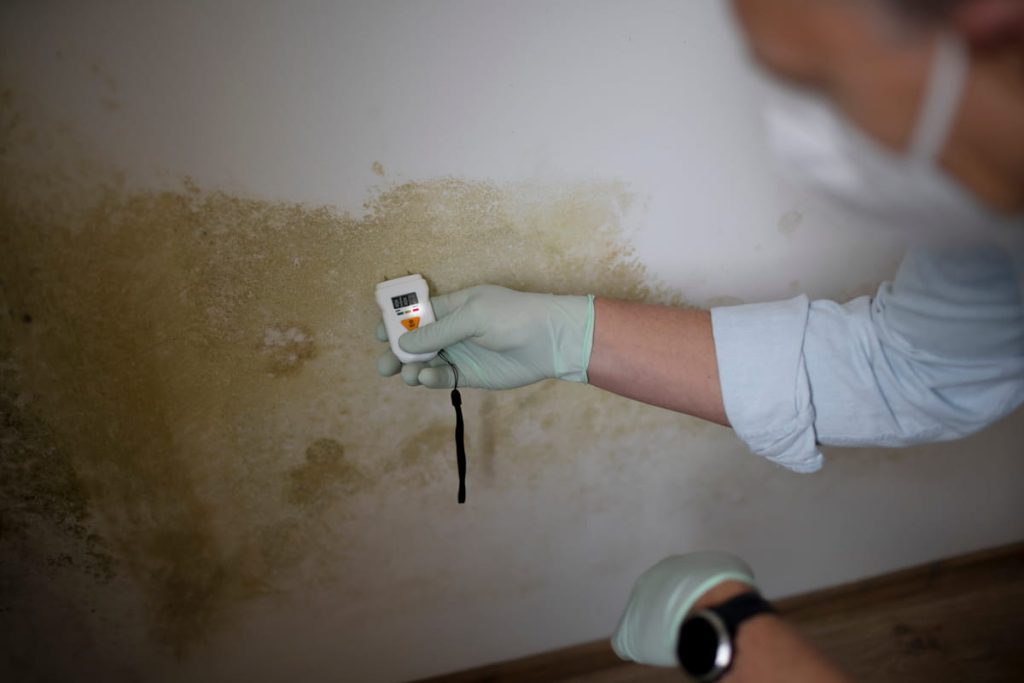
Restoration technician using a moisture meter to inspect a water-damaged wall during an IICRC S500 inspection
Insights

IICRC S500 Standards: How to Use Them to Support Water Claims

The IICRC S500 framework sets the common standard for documenting those decisions. This guide explores how contractors can use IICRC S500 to support water-loss supplements, substantiate legitimate line items, and present a file that stands up to review.

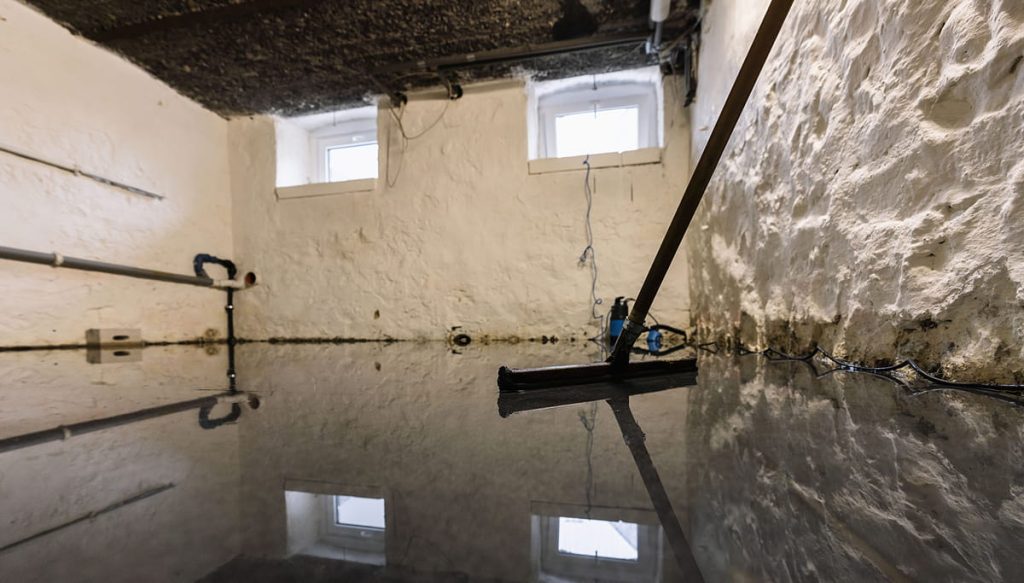
Flooded basement with standing water, mold on stone walls, and floor squeegee during water damage mitigation
Insights

Category 1 vs 2 vs 3 Water Damage: What Adjusters Look For

Water damage categories are far more than mere technical labels. In fact, they directly affect drying scope, PPE, containment, demolition, and disposal costs. A Category 3 loss can cost thousands more compared to a Category 1. Without a full understanding of these categories, many adjusters classify losses at the lowest defensible category without fully accounting for IICRC S500 requirements.

Contractor reviewing building code upgrade requirements for an insurance claim supplement.
Insights

Building Code Upgrades in Insurance Claims: Getting Paid for Code Compliance

Building code upgrade coverage provides funding to bring a damaged property up to current building code requirements during a covered repair or rebuild. Contractors run into code issues on major losses because carrier estimates tend to focus on matching pre-loss materials instead of including permit-required upgrades.

Two roofing contractors inspecting roof damage during an insurance claim assessment.
Insights

How to Supplement a Roof Claim: A Step-by-Step Guide for Contractors

This guide breaks down how to supplement a roof claim step by step, with a focus on what each stage actually involves and where things commonly go wrong. If you’re seeing gaps between the estimate and the real scope of work, it’s worth understanding why most roof insurance claims require a supplement before moving forward.

A professional construction manager in a hard hat documenting property damage for an insurance claim estimate to determine ACV and RCV.
Insights

ACV vs RCV in Insurance Claims: What Contractors Need to Understand

There's hardly a contractor who hasn't encountered a situation where the first insurance check comes in, and it doesn't cover the materials–let alone labor and overhead. That payment is almost always based on Actual Cash Value (ACV), and if you don’t understand how it's calculated and what comes next, the job can quickly go from a profitable project to a burden on your finances.

A property damage inspector in a safety helmet examining a building’s exterior to document hidden damage for a supplement on a closed insurance claim.
Insights

How to File a Supplement After a Claim Is Already Closed

You open up the roof expecting a straightforward repair, and then you see it. The decking underneath is compromised enough that it should've been included in the original claim. The trouble is, the insurance carrier already issued payment based on their estimate and marked the claim as closed. That's precisely where most contractors or homeowners start assuming the conversation with the insurance company ends, and they either cover the extra cost themselves or are forced to cut corners.

Contractor using a tablet to document property damage during an insurance claim inspection
Insights

The Contractor’s Photo Documentation Checklist for Every Insurance Claim

Most contractors already know they need photos for insurance claims. The real issue is this: very few know exactly which photos adjusters are looking for, in what order they expect to see them, and how those photos tie directly into approvals, scope accuracy, and payout speed.

Restoration contractor in hard hat and safety vest reviewing insurance supplement paperwork at office desk
Insights

How Third-Party Supplementing Helps Restoration GCs Get Paid Faster

Initial insurance estimates frequently fall short of the full scope, which is why third-party supplementing for restoration contractors is among the vital components in narrowing that gap.

Contractor shaking hands with claim supplement specialist during project estimate consultation.
Insights

The Contractor’s Guide to Choosing the Right Claim Supplement Company

For contractors who plan to grow, the real question becomes how to choose a claim supplement company that supports protecting revenue and strengthening the claim file from the start.

In-House vs outsourced claim supplements.
Insights

In-House vs. Outsourced Claim Supplementing: What’s Better for Roofers and General Contractors?

The days when insurance claim supplementing was optional for roofers and general contractors are long behind. Full payment, in most cases, now depends on a detailed supplement, since carrier estimates often do not cover the work's real cost.

Contractor pointing at a tablet while creating a project estimate.
Insights

Xactimate Estimating Guide for Contractors: How to Maximize Insurance Claim Payouts

Xactimate is a software that needs no introduction to experts in the roofing or property restoration industry. To some, it’s just a line-item tool, while for others, it's a constant source of friction between what a job would actually cost and the contents of an insurance estimate.

Outsourcing claim supplements
Insights

Why Restoration Contractors and Mitigation Specialists Are Outsourcing Insurance Supplements in 2026

A surge in water, fire, smoke, and mold loss has pushed claim volumes higher for restoration contractors and mitigation specialists. Carriers are reviewing line items more carefully, approval timelines can take longer than expected, and documentation requirements continue to grow. With labor costs rising and experienced estimators hard to find in 2026, internal teams get stretched thin.