Why Do Some Adjusters Give Low Prices on Estimates and How You Can Counter Them
Some adjusters lowball estimates to save insurance companies money—learn how to spot it and fight back to get paid what you’re owed.
Stop leaving money on the table. Our experts distill complex insurance claim supplements, underpaid estimates, and denial strategies into actionable guides designed to help independent contractors and restorers maximize project payouts and focus on their business.

Some adjusters lowball estimates to save insurance companies money—learn how to spot it and fight back to get paid what you’re owed.

Why do any of us pay for insurance? It’s so that when life throws stressful, unexpected situations our way, at least we don’t have to worry about the financial side of it. Unfortunately, having your insurance claim denied or only partially approved is a scenario that happens far more often than most people imagine.

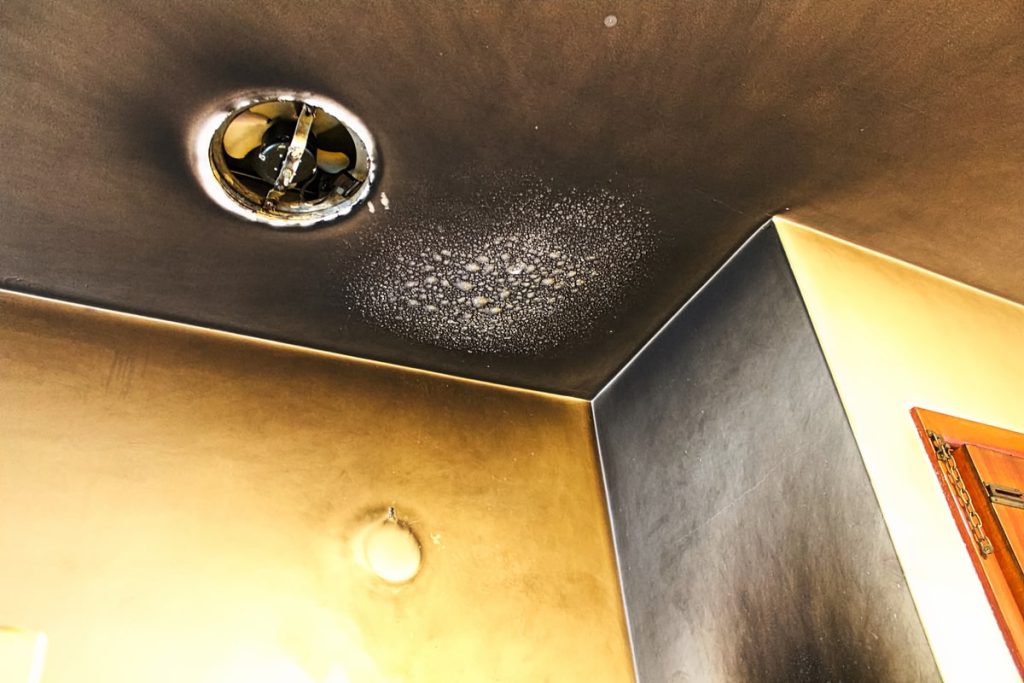
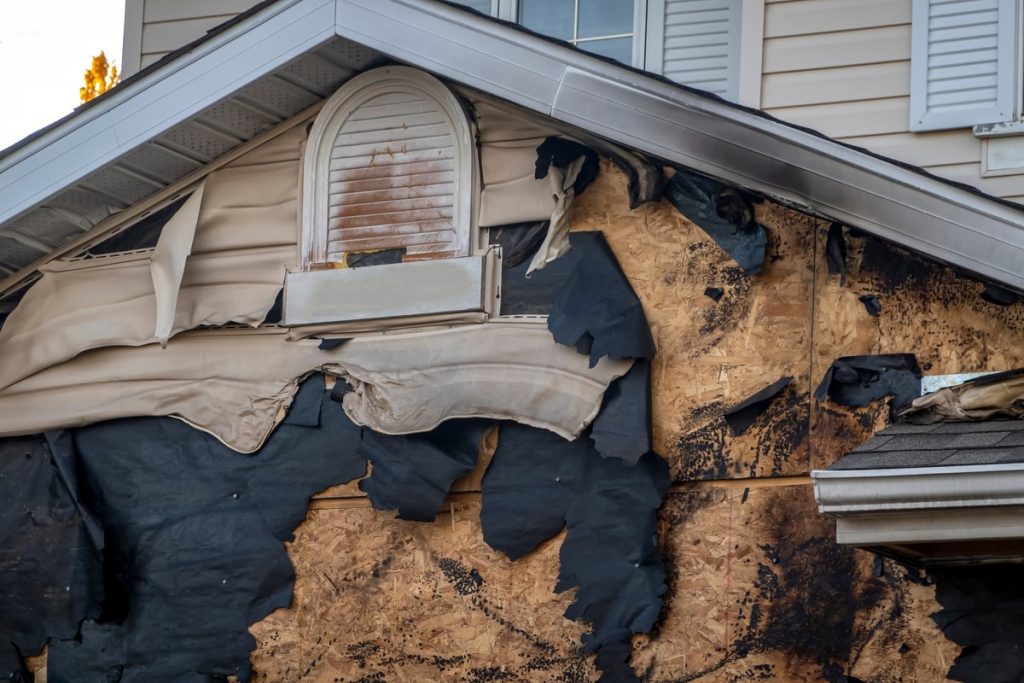
When a fire damages a property, the destruction that can be seen at first sight is unfortunately just the beginning. Smoke seeps into walls, water from firefighting efforts causes secondary damage, and structural repairs must meet strict safety codes. For contractors, restoration companies, and fire repair specialists, these claims are rarely straightforward.

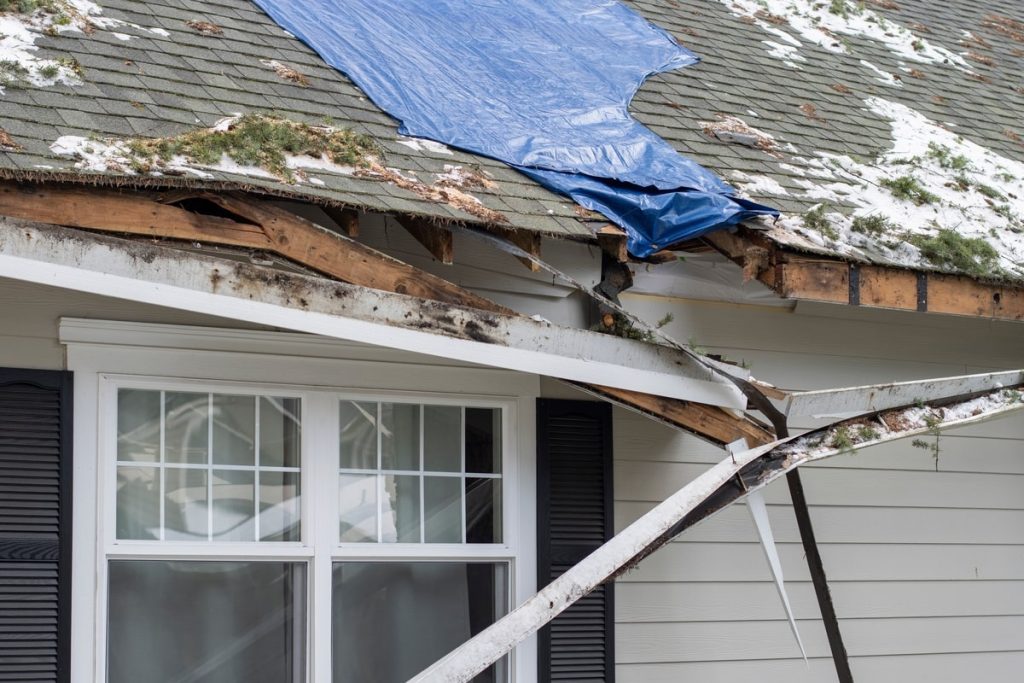
As if a hurricane tearing through your property isn’t disastrous enough, filing a claim that should enable you to cover the full cost of repairs is, unfortunately, often a whole new disaster in itself. An insurance settlement offer can come in thousands below what’s needed to rebuild, leaving you with triple the damage: property damage decorated with financial and emotional costs.

Everybody makes mistakes, especially when it comes to navigating commercial claims. Even a seasoned contractor like yourself can make them when handling the red tape complexities involved in many damage claims, and these mistakes can cost you a lot of time and money.

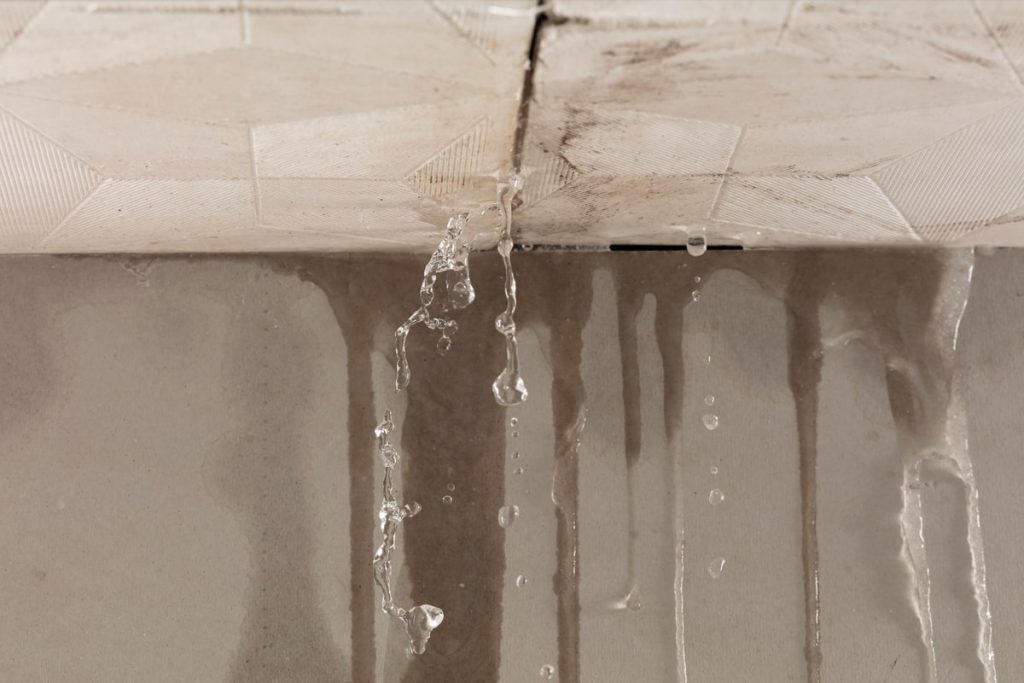
Water damage can be one of the most disruptive and expensive events a homeowner faces. From soaked drywall to swollen cabinets and rotted subflooring, the damage is often worse than it first appears. Yet even when the policy covers the cause, many insurance payouts fall short of covering the full cost of repairs.

In this guide, we’re breaking down the key differences between residential and commercial insurance supplements, not in theory, but in ways that genuinely matter when you’re out there trying to get paid. Whether you’re juggling scopes or documentation, this is the stuff you need to move faster and with fewer headaches.

An underpaid roof insurance claim occurs when the settlement amount doesn’t fully cover the true cost of restoring the roof to its pre-loss condition. For property owners, this can mean unexpected out-of-pocket costs. For contractors, it may mean absorbing costs or facing project delays while negotiating supplements.

When it comes to commercial property damage insurance claims, many contractors unknowingly leave a lot of money on the table. This happens due to the fact that the commercial insurance claims process can be complex, slow-moving, and often built around initial estimates that don’t capture the full scope of work. That’s where supplements come in. […]

When it comes to roof repair—especially when insurance is involved—clear communication between contractors and homeowners is absolutely essential.

The goal of this guide is to help contractors document every phase of the water damage claim process in a way that supports stronger supplements, avoids unnecessary disputes, and helps pursue the full value of your work.

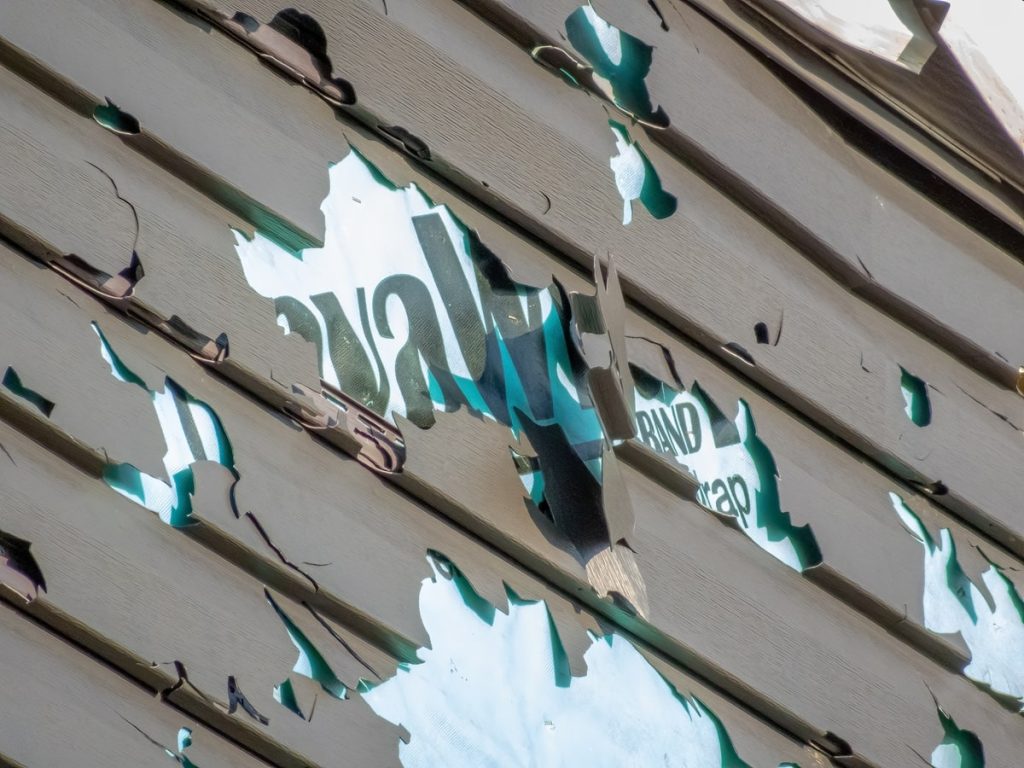
Storms don’t just bring wind, rain, and hail; they also often give headaches when it comes to insurance claims. For both contractors and homeowners, the initial estimate from the adjuster can feel lacking. And that’s usually because it is.

Unclear line items and overlooked damages can make navigating flood damage claims feel like a second flood in itself. This guide is here to help you take control of the process, avoid headaches and underpayment, and get properly reimbursed for every bit of necessary work.