How to Negotiate with Insurance Adjusters on Water Damage Claims


Table of Contents
- Understanding the Role of the Insurance Adjuster in Water Damage Claims
- Before You Speak to the Adjuster: Claim Preparation Is the Negotiation
- How to Talk to an Insurance Adjuster After Water Damage
- Questions to Ask the Insurance Adjuster on a Water Damage Claim
- How Restoration Experts Negotiate with Insurance Adjusters on Water Damage Claims
- Maximizing Recovery on a Water Damage Insurance Claim
- Mold, Secondary Damage, and Adjuster Pushback
- Why Water Damage Claims Get Denied or Underpaid
- When to Bring in a Water Damage Supplement Expert
- Technicality Often Means Full Recovery
Water damage isn’t just a structural problem; it means that your investments (or even business) are also at risk. The last thing you want to face is receiving a settlement that won’t cover all of your expenses and will leave you with drained finances.
Water damage claims are frequently underpaid because they involve complex, often hidden damage (like moisture in materials or required specialized drying) that adjusters often simply miss. However, this isn’t a showdown between you and the adjuster. You need to prove your case with the right technical mindset and accurate documentation.
The team at Claim Supplement Pro aims to help property owners and mitigation specialists justify service costs and ensure a fair settlement with this article. As supplement and estimating experts, we can help bridge the gap between low offers and fair claim amounts.
Understanding the Role of the Insurance Adjuster in Water Damage Claims
Whether you’re a property owner or a contractor dealing with an insurance adjuster, you must understand who they are and what they do. As a matter of fact, some negotiations can fail from the start if you misinterpret the adjuster’s motivations.
What an Insurance Adjuster Is (and Is Not)
In most cases, the job duties of the adjuster is based on the carrier they represent.
Field or third-party adjusters are those who visit the property and perform the physical inspection. Depending on the insurance company and claim details, the field adjuster might keep the claim, or they might transfer ownership of it to a desk adjuster. Because most desk adjusters never visit the property themselves, they rely heavily on the documentation (photos, logs, etc.) presented to them. If the documentation is weak, chances are, the adjuster will default to a lower settlement.
In addition, adjusters represent the insurance company and adhere strictly to the policy guidelines. They often have set claim severity targets with strict pricing guidelines, with the goal of closing a file quickly and efficiently within the policy’s borders.
As such, although it might seem that adjusters are “out to get you” or even “low-ball” you with a settlement, this is rarely the case. Adjusters are simply bound by the limitations of their company’s protocols and software, along with the insurance policy. This is why contractors and property owners should focus on providing as detailed technical evidence as possible to justify the necessarily higher payouts.
Why Water Damage Claims Are Frequently Undervalued
Water damage is complex. Unfortunately, insurance estimates are often underpriced, and the undervalued claims usually come from the following “blind spots”:
- Minimized Category or Class: Adjusters often categorize water as Category 1 (clean) when it should be classified as Category 2 or 3 (grey to black water). The latter always requires more expensive sanitization.
- Drying Cycles: Adjusters may cap drying cycles at only three days by default, even though the damaged area still shows high moisture readings.
- Secondary Damage: The high humidity in these cases can lead to other potential problems, like wooden floor crowning or mold growth in neighboring areas. If these aren’t documented with logs and moisture maps, they rarely get paid for.
- Incomplete Templates: The adjuster may use a generic template that omits items such as floor protection, antimicrobial treatments, and others, which can easily end up costing thousands in the mitigation scope.
- Rushed inspections: Extensive damage takes time to document. Ensure that the adjuster sees everything.
Before You Speak to the Adjuster: Claim Preparation Is the Negotiation
How do you maximize recovery on a water damage claim? As said above, the claim process starts the moment you set foot on the damaged site. Don’t wait for the adjuster to build your case; gather the evidence while the floor is still wet.
Immediate Steps After Water Damage Occurs
Before the adjuster sets foot on the property, establish a loss baseline that can’t be disputed.
For example, record the “as-found” conditions. If you need to prevent mold development, tear out wet drywall, or extract the water, first gather proof that it was necessary. Deploy a moisture meter and thermal imaging to document the intrusion. Adjusters may argue with you, but they can’t argue with moisture readings. Videos and high-definition photos are also essential. Capture the source of the loss, the affected contents, and the perimeter of the moisture spread.
What not to do after water damage? Don’t wait for the adjuster’s approval to commence with emergency mitigation. Most policies will require you to mitigate further damage. If you wait for the adjuster, mold may begin to grow, and the carrier may deny remediation costs if there’s evidence that you should have protected the property but failed to act.
How to Properly Document Water Damage for Negotiation Leverage
When you submit a water damage supplement, you are presenting your technical argument for the claim. As such, the supplement should be backed by the right negotiation assets.
Required Documentation Every Claim Needs:
Pre-Mitigation Photos
These can provide evidence of the category of the water, right after the damage happened. If you claim a category 3 but the photos you’ve taken in a dry and clean room, your line items will probably be slashed.
Daily Drying Logs
These logs show moisture readings, humidity levels, and temperature every day while the equipment is running.
Equipment Placement Diagrams
Instead of simply listing the machines you’ve used, sketch where you placed them to adhere to IICRC standards.
Material Removal Justification
This serves as proof for removing any non-salvageable materials, following documenting the necessary moisture readings.
Hard data (or hard facts) in a comprehensive claim package removes the hurdles of negotiation, misinterpretation, and unnecessary arguments.
The essential photos and logs can make your claim indisputable.
How to Talk to an Insurance Adjuster After Water Damage
Dealing with an adjuster after water damage is all about establishing yourself as professional and collaborative–not an adversary. Knowing what to say can help you secure a better outcome, so focus on technical justifications instead of emotional appeals.

Professional Communication Strategies That Protect the Claim
Again, data is your best ally. As adjusters deal with numerous files, ensure that you have those at hand that make their jobs easier with clear language and easy-to-read data.
When negotiating, use a professional and fact-based approach. Don’t provide vague descriptions (like “it’s really wet”); instead, show specific measurements compared to industry standards to justify your claims.
When you notice that a specific item is missing in their estimate, point out that the on-site data differs from their report. Also, avoid making any flippant remarks and remain strictly professional. Offhand comments can accidentally end up in the official record, leading to underpaid or even denied claims.
What NOT to Say to an Insurance Adjuster
Understanding what not to say to an insurance claim adjuster is just as important as knowing what to say. One thoughtless sentence can limit the scope of work or make getting future supplements harder.
Statements to Avoid:
“This is all the damage there is.”
You can’t know the full extent of the damage until the drying process is fully complete.
“That pipe needed fixing sooner.”
The adjuster may interpret this as negligence, which can give the carrier a reason to deny the claim altogether.
“I can do the job for whatever you’ve quoted.”
This sentence can lock you into an underpaid settlement before the real requirements of the mitigation work are known.
Additionally, homeowners often guess the causes or dates of the loss. Instead of guessing, admit that you’re not sure and then follow-up later when you have the facts. In addition, mitigation techs sometimes promise that they can work with low payouts, which makes it harder for companies like Claim Supplement Pro to justify fair supplements later.
Questions to Ask the Insurance Adjuster on a Water Damage Claim
Asking the right questions is just as vital as the documentation you hand over, as it helps you understand the limitations of the policy from the start. So, instead of guessing what will be covered, you should assess the specifics of the claim, uncovering the adjuster’s perspective and preparing more documentation to meet claim requirements.
Coverage and Scope Clarification Questions
Start by asking about policy boundaries so you won’t face surprises during restoration. Ask the adjuster to explain the limits and exclusions of the policy (especially if there’s something that would limit the payout in your specific case).
Ask if there are any differences in the policy between the work to stop the damage and the final repairs, as they might be treated as different policy parts. Also, ask for provisions regarding secondary and mold damage, as these may have specific caps. Knowing these numbers from the start can help you with effective budget management.
Estimate and Pricing Questions Mitigation Specialists Should Ask
Mitigation questions should be more about technical details to ensure the numbers reflect the cost of the actual job. One question to ask is whether the drying days are capped and what data is used to justify the cap. If the template the adjuster uses allows only three days but the moisture logs show that the area is still wet, this opens the opportunity of a supplement claim, bridging the gap between underpayment and full recovery.
By sticking to the facts, asking the right questions, and refusing to settle for incomplete estimates, you can ensure that your property is restored properly without draining your finances. And this is where Claim Supplement Pro can help.
How Restoration Experts Negotiate with Insurance Adjusters on Water Damage Claims
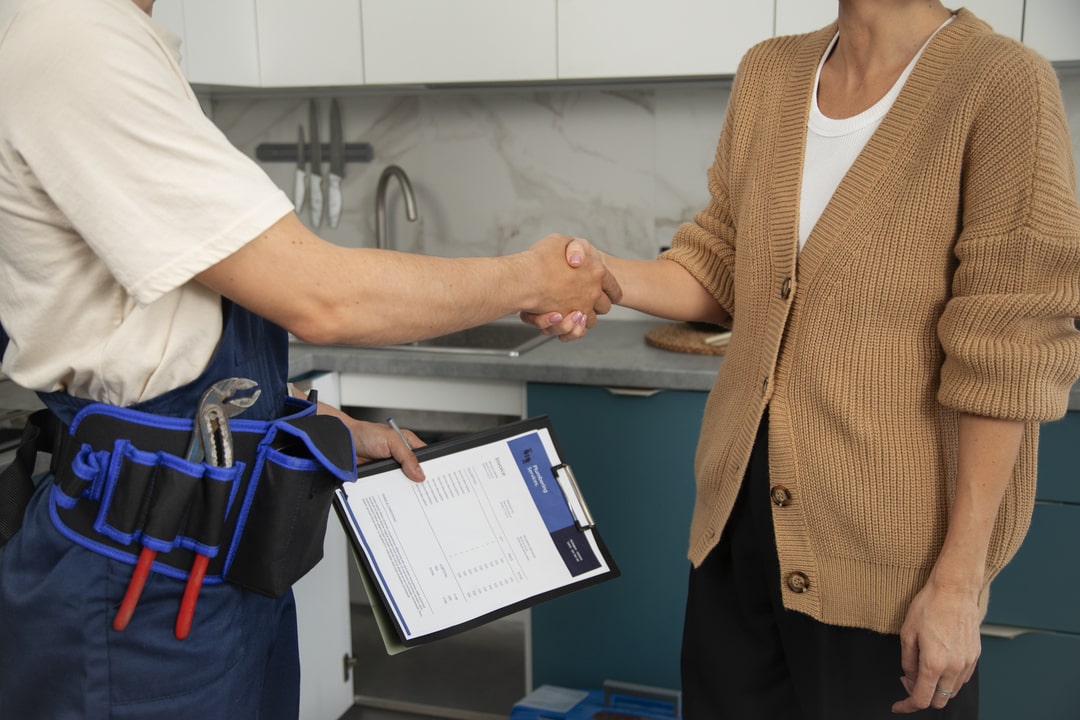
When a mitigation contractor (rather than the homeowner) is dealing with the insurance adjuster, the dynamic of the negotiation is less emotional and more technical. Restoration experts can speak the adjuster’s language, transforming the case to a technical verification from a plea for coverage.
Why Mitigation Technicians Are Essential in the Negotiation Process
While the homeowner is an essential part of the claim process, mitigation specialists are those who secure the most successful settlements. They are technical authorities on the project with the necessary experience and expertise to provide the hard evidence desk adjuster can’t see from an office.
Technicians validate the scope of work by documenting everything, from subfloor damage and hidden moisture pockets that third-party adjusters might have missed during their first walkthrough. These professionals also justify the need for more extensive sanitization for high-risk intrusions.
Simply put, these experts can help homeowners get the coverage they need because they have the technical vocabulary and knowledge to push back the standardized “template offers” some adjusters might work with.
Using Xactimate Line Items to Support Your Position
Most adjusters use Xactimate to assess the losses. To help level the playing field in a negotiation, you should know the software better than–or at least as well as–the adjuster reviewing the claim.
That said, mitigation experts can help:
- Identify Missing Line Items: These are small essentials that adjusters may omit, but can add up financially. Every missing item can close the door for supplement opportunities.
- Justify Labor Minimums: Most water damage tasks are labor-intensive, and experts usually advocate for “labor minimums,” ensuring that restoration crews are paid for the time they’ve spent on the project, from traveling to setting up equipment to leaving the site.
- Address Region-Specific Pricing Gaps: Standard software pricing often doesn’t address specifics like local labor shortages, material cost discrepancies, etc. Using localized data can challenge “template pricing” and produce a higher settlement.
These small justifications can get better estimates, as they prompt the adjuster to address the necessity of each individual task involved in mitigation and restoration.
Maximizing Recovery on a Water Damage Insurance Claim
Getting the most out of your claim is about getting a sum that reflects the reality of the losses and the restoration costs. In most cases, water claims are underpaid because of subpar documentation, outdated adjuster templates, and not accounting for labor-intensive details.
Identifying Underpaid or Missed Scope Items
When reviewing an estimate, double-check that every task that has been carried out by the technicians gets billed. The most common ones that are left out are:
- Contents Manipulation: Things like moving the furniture to dry the floor can be billable and often left off.
- Cabinet Detachment: Cabinets often need to be removed and reset to dry the wall properly. This can require significant time (and skill).
- Flooring Transitions: Adjusters will account for the wet floor, but might forget the special trim work and transition used during restoration.
- Electrical and HVAC Considerations: The moisture in the wall can damage electrical outlets and ducts, and these are often left out.
When and How to Submit a Water Damage Supplement
Ideally, you should submit your initial invoice before mitigation is finished (with the understanding that it’s simply an initial estimate and may be updated after mitigation has been completed). This helps you get a jump-start on the claim process.
The water damage supplement should include every piece of proof we’ve mentioned, from photos to logs and other evidence that justifies the additional costs. With solid documentation, adjusters will have to address each and every item on your claim.
Mold, Secondary Damage, and Adjuster Pushback
Mold growth can wreak additional havoc on a damaged site, developing within 24 to 48 hours in a water loss environment, if not controlled properly. Adjusters may mistakenly label these problems as “pre-existing conditions” or “maintenance issues” if they aren’t familiar with the property or the extent of the damage.
You can push back with chronological documentation. Use the first batch of moisture maps to prove that the wet area is from sudden damage, and despite professional dying processes, mold growth still occurs.
Why Water Damage Claims Get Denied or Underpaid
Water claims get denied for two main reasons: documentation failures or policy exclusions (like maintenance negligence, or wear and tear issues). This is why it’s important to present adjusters with hard facts. For instance, when you prove that the loss was sudden and accidental with photos of a burst pipe, they won’t ask whether it was a “slow leak” from the get-go.
When to Bring in a Water Damage Supplement Expert
The negotiation process requires two things: skill and time. And there will come a point in many claims where the ongoing “back and forth” with the adjuster gives diminishing returns or stops being productive completely.
You’ll know the negotiation has stalled:
- When the revisions get smaller and major discrepancies remain ignored.
- When the documentation you send to justify your case gets omitted.
- When the adjuster simply refuses to pay for justified line items.
This is where Claim Supplement Pro can step in. As specialists who understand the technical parameters of both the S500 and Xactimate, we can provide additional technical leverage that can push the negotiations into your favor and create the necessary documentation adjusters need.
With this expert help, you make sure that no money is left on the table simply because you didn’t have the specialized knowledge or time to fight for every line item.
Technicality Often Means Full Recovery
Negotiating water damage claims requires a specific view-shift. You need to move away from “pleading for help” and look at the case as “justifying losses with evidence and data.” For property owners, this can be a challenge, and for restoration contractors, additional paperwork and the willingness to go that extra mile during negotiations.
However, with the expert support, navigating the complexities of insurance claims becomes easier, pushing you closer to a fair recovery that will actually cover the costs of making the property whole again.