Why Your Roof Damage Insurance Claim Needs to Be Supplemented

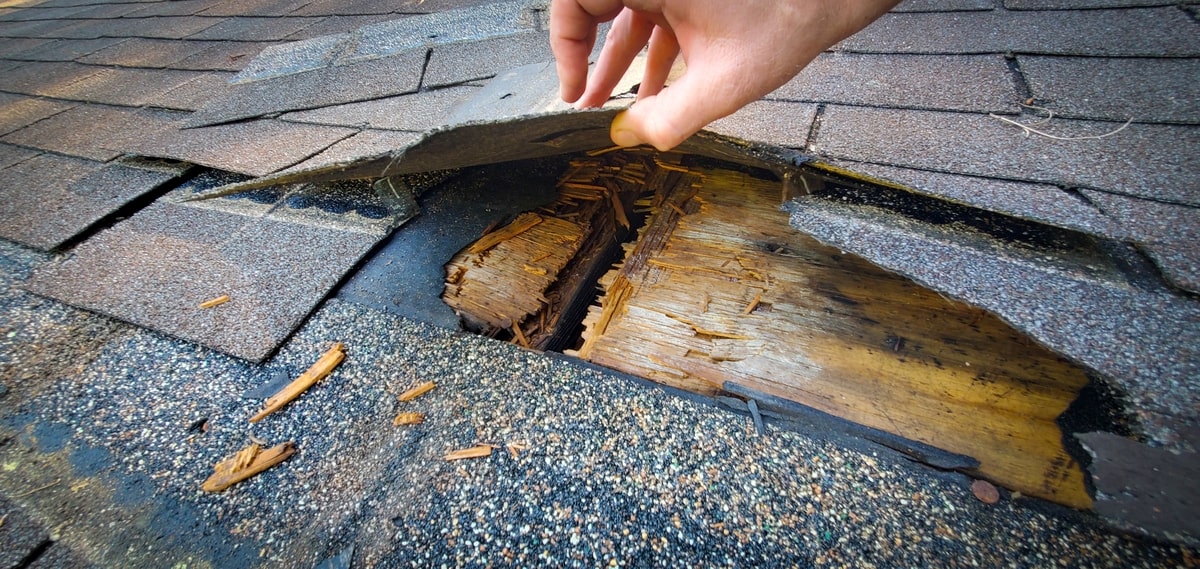
Table of Contents
- What Is a Roof Insurance Supplement? (And Why It Matters)
- Why Most Roof Insurance Claims Are Underpaid (And Require Supplementation)
- When Should You Submit a Roof Supplement? (Contractor Checklist)
- What Do You Need to Include in a Roof Supplement?
- How to Supplement Roof Claims (Step-by-Step for Contractors)
- What Not to Say to the Insurance Adjuster (Roof Claims Mistakes to Avoid)
- Why Contractors Should Offer to Handle Adjuster Communication for Homeowners
- Are Roof Insurance Supplements Worth It?
- When You Should Hire a Supplement Specialist (And Why Contractors Benefit)
- FAQ
- Final Thoughts: Supplementing Your Claim Protects Your Property and Your Profit
Anyone who works on roofs long enough has seen this moment. You open the insurance estimate, and you can’t avoid the feeling that something feels off.
On one side, measurements look thin. On the other, required code items never made it onto the page. Once the crew shows up, those gaps turn into real problems because the roof needs labor and materials that the carrier never priced. You can feel it right away when the payout can’t support a proper replacement, and you should trust that feeling.
Roof insurance supplements fix those misses and bring the claim back in line with what the job requires.
This guide probes into why estimates fall short and how supplementing restores a workable budget.
What Is a Roof Insurance Supplement? (And Why It Matters)
A roof insurance supplement is a request for additional funds when the adjuster’s first estimate leaves out work that the project can’t move forward without. Contractors send one when the estimate misses necessary items or uses measurements that don’t match what’s on the roof.
Sometimes the supplement fills in code upgrades that the adjuster didn’t include. Other times, it corrects pricing that no longer matches what the supplier charges.
Supplements protect both sides. Contractors avoid taking a loss on necessary tasks, and homeowners eschew finding themselves trapped with a roof that the payout can’t support.
Many pros handle this through roofing supplements that document the true scope and show the carrier exactly what the job needs. This approach connects the claim with the actual replacement cost and keeps the project on track.
Why Most Roof Insurance Claims Are Underpaid (And Require Supplementation)
Underpaid roof claims are not an isolated occurrence. They show up every week, sometimes every day, especially once the numbers on the estimate meet the reality of the job.
The problem often becomes obvious during tear-off, when the estimate no longer lines up with the materials, labor, and code work the roof requires. Industry averages put that gap in the 20-40% range. At the same time, roofing labor and material prices have climbed by roughly thirty percent in recent years, which leaves many insurance pricing models behind the curve.
The estimating process explains much of this. Adjusters work under tight timelines and often base estimates on quick inspections. When measurements come up short, code-required items never make it onto the estimate, or pricing reflects last year’s costs instead of today’s, the total drops fast.
Those same estimating issues show up on larger projects as well, which is why contractors often reference why most commercial roof insurance claims are underpaid when explaining claim gaps to property owners. The project size changes, but the cause stays the same.
Supplements are there to close that gap with precise measurements, current pricing, and documentation that mirrors the roof as it exists, not as it was during a brief inspection.
Insurance Adjusters May Miss Code Requirements
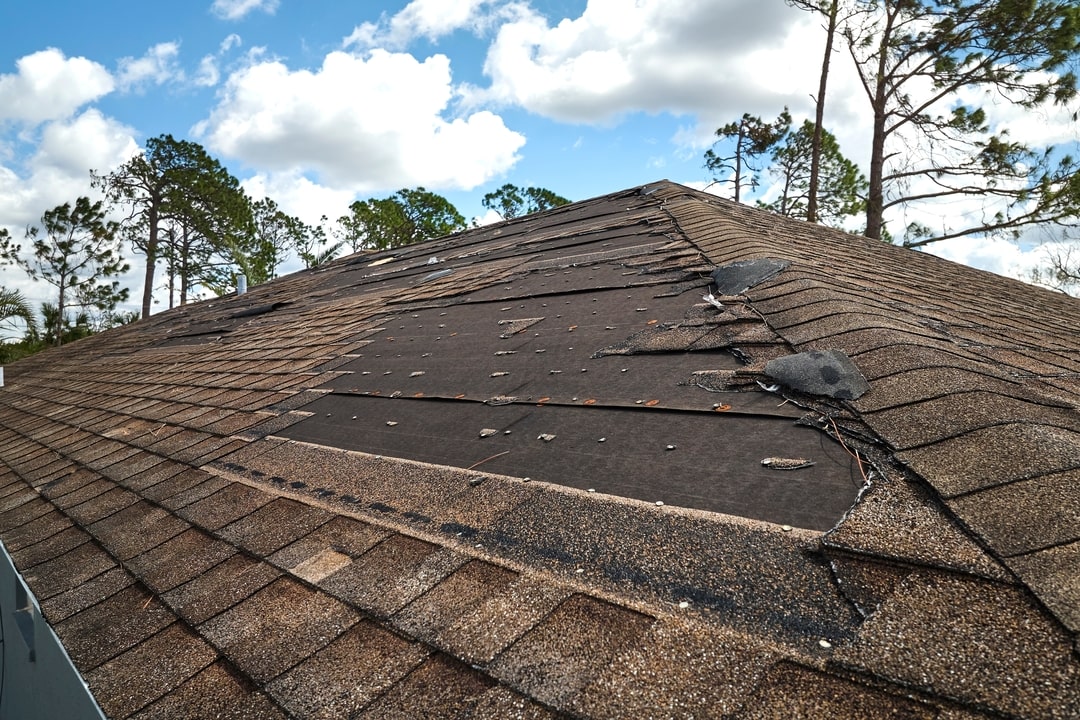
Insurance adjusters work with limited visibility, and code requirements may not reveal themselves during a short inspection. Upgraded underlayment, ventilation changes, drip edge, flashing, or decking work usually fall outside what can be confirmed from the surface.
Once the tear-off begins, those items stop being optional. Code doesn’t bend to match an estimate.
Contractors still have to install what local and state rules require for approval. That disconnect between paperwork and jobsite reality explains why missing code items remain one of the main reasons supplements exist.
Adjusters Heavily Rely on Xactimate Pricing for Labor & Materials
Most roof estimates start inside Xactimate, but the numbers within the software don’t always keep pace with real-world pricing. Material costs can jump quickly at the supplier, while Xactimate updates follow a set schedule.
Labor is the extra pressure point. In many regions, qualified roofing crews cost more and book out faster.
An estimate can look acceptable on screen, then fall short once actual invoices and receipts come in. Supplements tie current market pricing to documented costs that the carrier can review.
Why Contractors Should Expect a Supplement on Most Roof Claims
Contractors who handle insurance work long enough stop seeing supplements as an exception and treat them as part of the job. The first estimate rarely covers everything the roof needs once crews remove the old system and apply current code requirements.
Contractors submit supplements because the roof calls for more work than the estimate allowed. They have to cover what the job truly takes without padding numbers.
Skip the supplement, and the contractor gets boxed in; either rush the work to fit the payout or pay out of pocket for items the roof still needs.
That reality leads many contractors to ask: Are roof supplements worth it? The answer is a definite Yes. They’re quite vital because they protect profit on required work and allow contractors to complete the roof correctly and up to code.
When Should You Submit a Roof Supplement? (Contractor Checklist)
When you submit a supplement can determine how the entire job unfolds. Contractors can dodge headaches by treating estimate gaps before work begins.
A diligent review of the adjuster’s estimate at that stage gives you room to flag missing items, pricing issues, or code requirements before crews arrive. That early work also answers a question many homeowners ask right away, such as what is a roofing insurance supplement, and why does the claim need one before the first shingle comes off.
Roofs still find ways to surprise people. Once the tear-off starts, hidden damage can appear and change the scope of work needed.
When that happens, contractors document the finding and submit a supplement matching exactly what the crew uncovered. One can wait until the job ends, but that rarely helps. Carriers respond better when documentation connects to active work instead of a finished project.
Common signs a claim needs a supplement include:
- Measurements that don’t match the roof
- Required items missing from the estimate
- Pricing that falls short of real supplier costs
Strong documentation makes those conversations easier. Photos, measurements, and notes collected early give the carrier a concise record to work from and keep the project moving without avoidable delays.

Pre-Supplement Indicators Before the Job Starts
Before the job starts, the estimate itself usually tells you whether a supplement will be necessary. Some red flags show up before you even set foot on the roof.
Contractors who spot them early save time later and avoid awkward conversations mid-project.
Common pre-supplement indicators include:
- Missing line items, such as flashing, vents, or underlayment that the installation will require–whether the estimate includes them or not
- Roof measurements or waste percentages that don’t line up with the actual layout, pitch, or complexity of the structure
- A complete absence of code upgrades, even though local requirements apply to every replacement in that area
When these gaps appear upfront, the estimate doesn’t match the work the roof actually requires. You must address them before crews arrive in order for the claim to match what the job demands and give the carrier a chance to review the claim with all relevant details.
Supplementing During Tear-Off (When Hidden Damage Appears)
The change of conversation is swift with tear-offs. Once the old materials come off, the roof stops being ambiguous and starts telling the truth.
Contractors may find decking that flexes underfoot, moisture damage that never showed from the surface, or extra layers that add labor and disposal costs the estimate never considered.
None of that appears during a quick inspection, yet all of it affects how the roof gets rebuilt. Hence, documentation matters more than explanations.
Clear tear-off photos show the carrier what the adjuster couldn’t see during the initial visit.
Photos taken at the right moment connect the added work to the claim and make the supplement hard to dismiss. Without them, even legitimate scope changes turn into back-and-forth delays.
Tear-off findings also help explain related issues homeowners ask about later. Interior staining or active leaks often trace back to damage hidden beneath the roof covering, which is related to questions like is your home’s water leak due to roofing hail damage.
Supplements submitted after the tear-off rely on that visual evidence to link cause and scope.
Contractors typically include these findings in a single post-job submission instead of sending multiple updates while the crew is on the roof. That submission should account for unforeseen costs documented during the project and present them in a clean, organized way. Effective roofing insurance supplements typically include:
- Tear-off photos that show conditions as they were uncovered
- Notes that tie added work directly to the repair scope
- Invoices or pricing that support the added cost
The supplement then accounts for the added work that only became evident once the roof was opened up.
What Do You Need to Include in a Roof Supplement?
When contractors ask what you need to include in a roof supplement, the short answer is proof. Carriers don’t approve supplements based on your explanations or experience.
They approve them based on credible documentation that shows why the original estimate failed and what the roof required once work began.
A strong supplement package answers questions before the adjuster asks them. It shows the condition of the roof, backs up measurements, and matches every added item to code, pricing, or manufacturer standards. The cleaner the file, the faster the review.
A complete roof supplement should include:
- Photos taken before work, during tear-off, and after completion that show conditions and the added scope of work
- Accurate roof measurements from a reliable source, with third-party reports like EagleView or Hover preferred by carriers
- Code documentation pulled from IRC or IBC guidelines, along with applicable local requirements
- Material invoices that reflect current market pricing
- A detailed estimate built in Xactimate that mirrors the actual scope
- Manufacturer installation requirements that support the required components
When all of this lives in one submission, the supplement speaks for itself and centers the claim around facts rather than back-and-forth explanations.

How to Supplement Roof Claims (Step-by-Step for Contractors)
Contractors who understand the supplement process stay in control of insurance jobs. The goal is to walk the carrier through what the initial estimate left out and what the job demanded.
The steps below dissect how contractors handle supplements in a way that carriers can review and approve without hassle.
Step 1 – Review the Adjuster’s Estimate for Missing Line Items
Compare the estimate to the actual roof. Look for missing items, short measurements, pricing that doesn’t match supplier invoices, or code requirements left out.
Step 2 – Document Everything: Photos, Code Items, Measurements
Take photos, confirm measurements, pull code references, and save invoices, as the goal is to provide evidence.
Step 3 – Build a Supplemental Estimate
Create an estimate that matches the actual scope of work. Combine every added item with photos, code notes, and measurements, which is exactly what professional estimating services aim to do.
Step 4 – Submit the Supplement to the Insurance Carrier
Send everything together through the carrier’s preferred method, whether that’s email or a claims portal, because one clean package beats multiple messages.
Step 5 – Follow Up Professionally and Persistently
Stay professional and keep communication facts-focused while referencing documentation.
What Not to Say to the Insurance Adjuster (Roof Claims Mistakes to Avoid)
Casual comments can shrink a claim or slow it down, even when the damage is real and documented.
- “It doesn’t look too bad.” – This one undercuts your own case. Adjusters need accurate statements, and downplaying visible damage gives them less reason to revisit the scope. If the roof needs work, let the documentation speak.
- “We just need the cheapest option.” – This frames the job as flexible when it isn’t. Insurance covers what’s required to restore the roof correctly. Don’t look for the lowest bid because this invites shortcuts and weakens any later request for proper materials or labor.
- Guessing about pre-existing damage – Never speculate. Comments about age, wear, or prior issues create doubt that’s hard to undo. Follow the rule of three, and stick to what you can prove with photos, measurements, and code. If you don’t have this data, it’s better not to label it.
Why Contractors Should Offer to Handle Adjuster Communication for Homeowners
Homeowners just want the roof done right, without getting pulled into insurance back-and-forth. Contractors lift that weight off the owner when they handle those conversations. And they keep the focus around what the roof needs, what code requires, and what the job involves.
That keeps everyone on the same page and avoids language that unintentionally weakens the claim. There are moments when homeowner involvement helps, more so if an adjuster goes quiet, but day-to-day communication works better in experienced hands.
For contractors, it also sets the tone as a guide and advocate, much like the roofing contractor’s guide for navigating roofing insurance claims, rather than just another trade waiting on approval.
Are Roof Insurance Supplements Worth It?
Yes. Roof supplements pay for the work the original estimate leaves out. A well-supported supplement can increase coverage by 15–40% on real jobs and bring the payout in line with what the job costs on site.
That extra funding supports the must-have factors like proper installation, safer working conditions, and compliance with current code, getting rid of risky deals no contractor wants their name on. Without a supplement, crews either absorb the loss or trim the job to fit the check.
Neither ends well. Submitting a supplement protects the roof, the homeowner, and the contractor’s bottom line in one move.
Benefits for Contractors
Fair labor pricing
You get paid for the crew hours and skills the job demands, not a discounted version dreamed up at a desk.
Profitable jobs
Supplements turn tight margins into workable ones, so the project supports your business instead of draining it.
Reduced risk of cutting corners
You can only build the roof the right way and still sleep at night with proper funding in place.
Benefits for Homeowners
Proper installation
The roof gets built the way it should be, without shortcuts hidden under shingles.
Code-compliant roof
Required upgrades make it into the scope, so inspections pass and future headaches stay hypothetical.
Longer roof lifespan
When the structure, materials, and details line up, the roof lasts longer and performs the way homeowners expect.
When You Should Hire a Supplement Specialist (And Why Contractors Benefit)
Some claims stay manageable. Others turn into time sinks that pull focus away from the job itself. That tends to happen when scopes get challenged, or carriers start pushing back on items you know belong in the claim.
At that stage, bringing in a specialist who works with roofing supplements every day can save more than just admin time.
Claim Supplement Pro handles the technical side that bogs contractors down, from carrier language to pricing disputes, while you keep crews moving and clients informed.
Signs you may need support from a supplement expert:
- A steady flow of claims that leaves little time for follow-ups
- Claims that turn argumentative instead of procedural
- Commercial roofs with layered scopes and stricter documentation
- Carriers denying the same items across multiple files
FAQ
How to supplement roof claims?
You review the estimate for gaps, document what the roof actually needs, build a corrected estimate, and submit it to the carrier with proof.
What not to say to the insurance adjuster roof?
Avoid guessing, minimizing damage, or talking about “cheap options” before the scope is fully documented.
How does insurance work with roof damage?
The carrier pays based on what they can verify, which means documentation drives coverage.
What are supplements in roofing?
Roofing insurance supplements update an underfunded claim so the payout matches the real cost of doing the job correctly.
Do homeowners have to handle supplements themselves?
No. Contractors or supplement specialists can manage the process so the claim stays technical instead of emotional.
Final Thoughts: Supplementing Your Claim Protects Your Property and Your Profit
Roofing insurance supplements give a job the budget it needs. Thin estimates pressure crews and strain homeowners. Contractors must correct the scope to yield the best outcome, which is the roof getting built properly, and inspections passing without drama because the numbers match the work on the house.