Supplemental Contents Claims After Water Loss: Common Carrier Objections Restoration Professionals Face


Table of Contents
- What Is a Supplemental Contents Claim After Water Loss?
- Why Contents Damage Is Commonly Missed During Initial Water Mitigation
- Common Carrier Objections to Supplemental Contents Claims
- Does Damage Description Language Affect Supplemental Contents Outcomes?
- How Restoration Professionals Should Document Supplemental Contents
- When Supplemental Contents Claims Become Underpaid or Soft-Denied
- Commercial Water Losses: Why Supplemental Contents Claims Are More Complex
- When to Escalate a Supplemental Contents Claim to a Specialist
- How Claim Supplement Pro Supports Supplemental Contents Claims
- Final Thoughts: Supplemental Contents Claims Are a Normal Part of Water Losses
In water loss claims, everybody usually focuses on the structure first: fixing and drying the walls and the floors. However, once the drying equipment is gone, people start to assess the unaccounted damage to personal property. From warped furniture to damaged electronics, these contents are usually discovered long after the initial mitigation.
For experts like restoration professionals, rebuild contractors, and water mitigation technicians, getting paid for these late-discovered items is a major challenge. Often, insurance carriers view these late content claims with suspicion and may label them as “unrelated” to the original water loss claim.
At Claim Supplement Pro, we specialize in turning these denials into paid supplements. This article is for experts and property owners who want to better understand the contents of the insurance claim process and the common carrier objections that surround supplemental contents.
What Is a Supplemental Contents Claim After Water Loss?
Simply put, supplements are additional claims to an existing file. The initial content claim covers the immediately identified items after a water damage event; supplemental content claims address the damage that was discovered later.
You rarely see the full extent of the damage to personal property right after the event, and experts often find newly discovered damage during several key phases of the mitigation process:
- The Drying Process: Dehumidifiers pull the air, and delicate materials (wooden furniture, for example) can split, warp, or crack, and often appear when fully dried out.
- Storage Access: Most items will be immediately packed to prevent saturation. Sometimes, they are opened weeks or months later, only to find mold and mildew.
- Odor Evaluation: Damage can also be invisible. The moisture can get trapped in upholstered furniture or the insulation inside electronics, leading to the development of foul odors.
When Does a Supplement Apply?
How can you successfully recover funds to mitigate these damages? First, the damage must be a direct result of the water damage. Second, the damaged items should be in the same location where the event originally happened. Third, the property owner must be in possession of the items when the loss occurred.
Insurance companies will often label supplements as “new loss” and deny them, or require the opening of a second deductible. That’s why it’s essential to clarify that these are newly discovered damages from the original event. The supplement should reopen the existing file in the insurance claim water processes and not create a new one.
Why Contents Damage Is Commonly Missed During Initial Water Mitigation
Immediately after the emergency, mitigation experts focus on stabilization: to stop and extract the water and start the dry-out process. During these phases, personal property becomes secondary, and this content damage can become overlooked, leading to underpaid water damage insurance claims.
For instance, porous materials such as rugs and wooden furniture can absorb moisture and may appear dry on the surface immediately after the loss. However, as the structure dries, the trapped moisture will evaporate, potentially leading to warping, splitting, and even hidden mold growth.
Damaged contents may also suffer from odor and microbial growth. While the “musty” smell may not be felt in the first 24 hours, it can develop later on as organic contaminants. In the case of Category 2 or Category 3 damages, contamination is a health hazard that needs special cleaning and may often get missed in the initial assessment.
Lastly, as the area dries out, electronics may also stop working due to internal corrosion. Insurance carriers often give low payouts due to these initial oversights, and experts like Claim Supplement Pro can help fight for a thorough evaluation of these contents after the dry-out is complete.
Common Carrier Objections to Supplemental Contents Claims
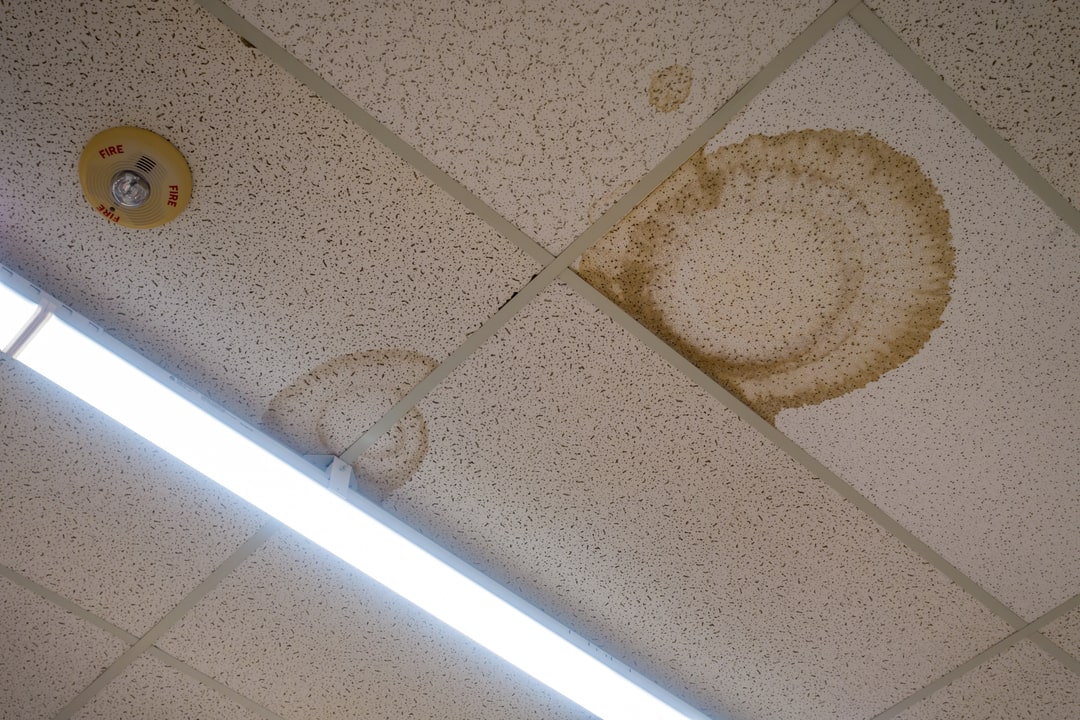
Restoration experts often hear a pattern of reasons when a carrier decides not to pay the full cost of a water loss claim, with the intent of closing the file quickly. Here are a few of them:
“The Claim Is Closed:” Does That End Review of Supplemental Contents?
This is very common, but it’s pivotal to know the differences between coverage evaluation and administrative closure.
The latter happens after the initial, undisputed payment is issued to meet internal metrics. Still, that does not mean that the carrier isn’t obligated to pay for newly discovered damages related to the original loss. As long as additional content claims arise from the same event and hit the statute of limitations, the carriers are required to reopen the file.
As such, freely submit any supplemental documentation as a “reopening request” based on newly discovered evidence.
Can an Insurer Refuse Additional Contents Without a Written Denial?
Experts or homeowners may also receive phone calls or emails from adjusters, stating that certain items won’t be financed. This is what we call “verbal refusal,” which isn’t a formal denial.
Formal denials must be in writing with a detailed policy-breakdown on why the payment is being refused. Without a formal document, the claim isn’t technically denied, so demand a written, formal explanation.
Structure vs Contents: Can Repair Costs Be Used to Justify Refusing Contents?
Adjusters may want to deny paying more for contents damage than for structural repairs. This is a false benchmark as content coverage and structural repairs are two separate “buckets” in the policy.
As such, treat the contents list as independent claims and use professional inventory software with high-resolution video and photos to prove the value of the items and the damage they suffered.
Resulting Damage: Why Contents Can Be Total Loss Without Visible Damage
In water damage contents insurance claims, items don’t have to be soaking wet to be a total loss. Resulting damage includes issues like loss of usability or contamination issues.
Industry standards like IICRC S500 allow restoration teams to label items as “non-reusable” to justify the claim. Don’t forget, just because an item looks fine in a photo doesn’t mean it is safe or functional for the property owner to keep.
Does Damage Description Language Affect Supplemental Contents Outcomes?
The words you choose in your supplemental content claim can mean the difference between a smooth approval or a thorough audit. Terminology in insurance adjusting often acts as a signal that can either validate your expertise or trigger immediate scrutiny.
“Mold” vs “Microbial Contamination” vs “Musty Odors”
Terminology alone won’t tip the scale in or against your favor, but specific words can carry more weight for adjusters.
- “Mold”: Mold growth in water damage often triggers a specific policy sublimit, regardless of the total value of the damage.
- “Microbial Contamination”: This is a border and more technical term, used mostly in Category 2 or 3 cases.
- “Musty Odors”: This indicates that organic material may be non-restorable.
Documentation Carries More Weight Than Wording
Thorough documentation is the key to resolving disputes. As such, prioritize the following elements:
- Detailed Inventories: Create a list with every item’s name, age, brand, and replacement value.
- Visual Evidence: High-resolution photos that show the location of the item and the damage it suffered.
- Consistency: Ensure that the moisture readings on the items match the reports on the claimed damages
- Storage and Possession: Document exactly where items were located during the loss.
How Restoration Professionals Should Document Supplemental Contents
The success of the supplemental contents insurance claim process depends almost entirely on the quality of your water documentation. Carriers may assume that the supplement is there to “pad” the claim, and without proof, the claims will often fail because the adjuster simply can’t justify the additional expenses.
As such, you must treat the water damage insurance supplement as a standalone evidentiary file, with every item tracing its origins back to the original event.

Proving the Same Cause of Loss
As mentioned, most contents insurance claims get denied because carriers deem them unrelated to the original leaks, and you must prove the direct links.
That said:
- Show that the damaged items were in the affected area.
- Use moisture logs to prove that the humidity led to the secondary damage.
- If items were moved to storage, document the date of the move and the condition of the items at that time to prove damage didn’t happen during transit.
Proving Loss of Usability
Often, the debate is about whether the item is still usable. You can combat these disputes in the following way:
- Explain that porous materials can absorb contaminants that cannot be fully removed.
- Document if items retain or develop a “musty” odor after the dry-out. If the odor is permanent, the item has lost its usability.
- Items are unsafe to keep after Category 2 or 3 water damage.
Inventory & Valuation Best Practices
The supplement should be detailed, precise, and professional, as vague inventories will mostly result in carrier pushback.
Therefore:
- Use Clear Descriptions: Instead of “Table,” use “Solid Oak Dining Table, 6-seat, Manufactured by [Brand].”
- Condition at Loss: Describe the item’s condition before the damage to prevent “betterment” arguments.
- Justify Total Loss: State exactly why an item is a total loss, like: “Permanent swelling of structural joints due to saturation.”
- Avoid Inflation: Avoid inflated inventories, as they can ruin the entire claim and your credibility.
When Supplemental Contents Claims Become Underpaid or Soft-Denied
In most cases, carriers will use “soft-denial” tactics to underpay the claim. Recognizing these patterns is only one of the essential steps you can use to protect your claim and make a full recovery.
Partial Approvals Without Justification
The adjuster may approve only 60% of your supplemental contents list but offer no standardized reason why the other 40% was left out, in the hopes of you being satisfied with the partial payment.
Usually, your claim is underpaid if you receive a small sum with no EOB (explanation of benefits) that details the deductions.
Delays Framed as “Review Cycles”
Most reviews are normal and take time. However, if they feel like an endless cycle and stall the insurance claim process, they may be a tactic designed to make contractors wait until they have to close their books or the owner loses interest.
Missing Explanations for Rejected Line Items
A professional response from the carrier addresses every item in the supplement. When an adjuster sends back a revised estimate that simply deletes items without a written explanation, they are failing their duty to be transparent.
How to Recognize This:
- Thoroughly compare the submitted supplement to the return estimate
- Note every missing item or items with decreased values without a cited reason
- Demand a “statement of position” for the rejected items.
Recognizing these patterns early on enables restoration experts to escalate the claim before bureaucracy takes the process to a screeching halt.
Commercial Water Losses: Why Supplemental Contents Claims Are More Complex
Commercial water claims are more complex by nature. They involve more moving parts and higher stakes, and restoration professionals need a more rigorous approach to documentation.
- Business Personal Property (BPP) Challenges: Professional-grade electronics and industrial machinery require expert inventory beyond household items. Also, the damaged contents often trigger business interruption claims, and carriers can scrutinize every supplemental item even more.
- Tenant Contents and Shared Places: In multi-tenant buildings, restoration experts must clearly document which items belong to the tenants or the landlord to avoid billing the wrong policy. If water migrates into common areas such as shared basements, you also need to create a clear chain of custody to prevent “new loss” denials.
- Higher Documentation Standards: Carriers may audit maintenance logs to make sure that the water caused the damage, not negligence or previous wear. Also, vague descriptions won’t pass. You must provide the make, model, and serial numbers to justify any commercial supplement.
When to Escalate a Supplemental Contents Claim to a Specialist
Managing the contents insurance claim processes can be overwhelming even for experienced teams, and there comes a point where the back-and-forth stops being productive. If you are a restoration expert who spends more time writing emails than on the job, it might be a good time to escalate.
Repeated Verbal Refusals
If you only get verbal refusals but no formal statements, you still have an opportunity to act. Specialists can force the carrier’s hand by demanding a formal, written position that cites specific policy language.
No Written Denial or Policy Citations
Insurance companies must provide written reasons for denying any part of a claim. If the items are simply deleted or ignored from the estimate without explanation, a technical supplement specialist can step in and hold the carrier accountable.
Reliance on Structure-vs-Contents Comparisons
The cost of structural repairs should never dictate the value of a contents claim. If the carrier doesn’t want to pay for high-end items because the structural costs were inexpensive, experts can neutralize these objections with industry-standard documentation.
Restoration Teams Stretched Thin
Restoration teams should focus on rebuilding and drying, and not arguing over the phone. When your office staff is overwhelmed by follow-ups and “review cycles,” our experts can take the burden with the necessary estimating services and supplementation to ensure no money will be left on the table.
How Claim Supplement Pro Supports Supplemental Contents Claims
Ensuring a successful content claim is more than just listing damaged items. You need a strategic and technical approach that speaks the policy’s language. At Claim Supplement Pro, we bridge the gap between the physical damage on-site and the digital documentation required for a full recovery.
Technical Supplement Preparation
Instead of only adding line items to a list, we build a case with comprehensive supplemental packages that link every piece back to the original water loss claim. The inventories are detailed, the valuations are accurate, and the loss determinations are backed by industry standards.
Carrier-Facing Communication
We take over the seemingly endless cycles of reviews and follow-ups. Whenever the adjuster offers a verbal refusal or a “soft-denial,” we demand written explanations and policy citations to approve the supplement.
Policy-Aware Documentation Strategy
We know how specific terminology can trigger or soothe adjuster scrutiny. We focus on documenting observable conditions to ensure the contents insurance claim process remains focused on facts rather than biased interpretations.
Focusing on Your Operations
Every minute you waste arguing over a claim with the adjuster or the carrier are minutes you aren’t managing the job site. By partnering with professionals, you allow your team to stay focused on site operations, mitigation, and rebuilding, while we ensure that the owner will be compensated for every supplemental item discovered after the dry-out.
Final Thoughts: Supplemental Contents Claims Are a Normal Part of Water Losses
The narrative shouldn’t revolve around “late” claims in water damage supplementation. In the restoration industry, discovering damaged items a week after a pipe burst isn’t oversight but a natural part of the contents insurance claim process. It’s the “secondary damage” phase of the same event, and assessing the extent of the destruction takes time.
That said, insurance carriers often want to close their files quickly, but fast claims are rarely fair. By utilizing supplemental claims, you aren’t “re-trading” the deal; you are restoring accuracy and fairness to the file based on the post-mitigation reality.
Proper documentation is the ultimate shield. If you are facing pushback despite providing impeccable inventory and evidence, our team is here to handle the technical heavy lifting. Contact us today to see how our expert estimating and documentation services can streamline your recovery.