Commercial Water Damage Claims: What Businesses Need to Know

Table of Contents
- Why Commercial Water Damage Claims Are More Complex Than Residential Claims
- Common Causes of Water Damage in Commercial Buildings
- Does Commercial Insurance Cover Water Damage?
- Commercial Property Damage Claim Vs Residential Claims
- Types of Commercial Water Damage Claims
- Step-by-Step: How to File a Commercial Water Damage Insurance Claim
- Key Documentation Needed to Avoid Underpayment
- What Is the Average Insurance Payout for Commercial Water Damage?
- How Much Can I Claim for Water Damage? (Policy Limits & Realistic Expectations)
- When to Bring in a Claim Supplement Expert
- Why Choose Claim Supplement Pro for Commercial Water Damage Claims
One day, it’s business as usual–and the next, a pipe bursts or the aging infrastructure fails. Suddenly, part of the premises is underwater. Water damage is usually sudden, painful, and prone to cause even more problems along the way if not taken care of in time.
What makes these cases even more problematic is the complexity of commercial water damage claims for business owners, mitigation specialists, and property managers alike. Most likely, none of them are insurance experts, and that’s why the claim process can easily become a headache.
In this article, we’ll talk about how to navigate these complex, high-cost damage claims, from filling out documentation, getting the right coverage, adequate supplementation, and receiving the payouts you deserve.
Why Commercial Water Damage Claims Are More Complex Than Residential Claims
What makes commercial water damage insurance claims more complex than others? Here are a few considerations that can turn a burst pipe into a nightmare during the complete water damage insurance claim process:
The Scale of the Premises
The larger the building, the bigger the affected area, increasing the sheer volume of cleaning and drying required. Additionally, commercial buildings often have complex systems in place, from IT infrastructures to HVAC systems, fire suppression, elevators, etc. Damage to these systems needs specialized repair, driving costs up.
Lost Revenue
Rehabilitating a badly damaged building takes time, and for a business, this isn’t just property loss, but also loss of income. On the other hand, the business will still have to face operational costs (leases, utilities, payroll) during the rehabilitation period, which must also be covered by the insurer.
Multi-Party Involvement
Residential claims involve insurers and homeowners. In the case of commercial water damage claims, there can be several parties involved, from tenants, owners, property managers, associations (HOAs), not to mention restoration specialists, contractors and the insurers. All these players can add friction and complexity to any claim coordination.
Detailed Supplement Strategies and Documentation
Commercial claims are prime targets for underpayment. That’s why businesses need meticulous documentation with photos, moisture readings, and detailed inventories of damaged systems to justify the repair costs. Additionally, a proper supplement strategy with detailed technical cost justifications can help get a final settlement that will actually reflect the full scope of the damages.
Common Causes of Water Damage in Commercial Buildings
Broken Pipes, Burst Sprinkler Lines & Plumbing Failures
Due to the high pressure and water volume in commercial plumbing systems, the damage is often sudden.
The most common failures here:
- Aging Plumbing: Fatigued, old, and corroded pipes can simply give in and rupture the shifts in the building’s structure or pressure.
- Frozen Pipes: Pipes can freeze and burst, which leads to immediate thawing and flooding.
- Burst Sprinkler Lines: These systems can rupture from extreme temperature drops, system failure, and accidental impact. The systems release the water immediately, potentially causing massive damage within minutes.
Sudden and accidental damages are usually covered under the premises’ main property policy; however, insurers may underpay or deny the water claim if the damage was due to postponed repairs or poor maintenance.
Roof Leaks, Storm Damage & Exterior Water Intrusion
When water enters the building from outside, the damage tends to be cumulative, long-term, and only noticeable when it becomes severe.
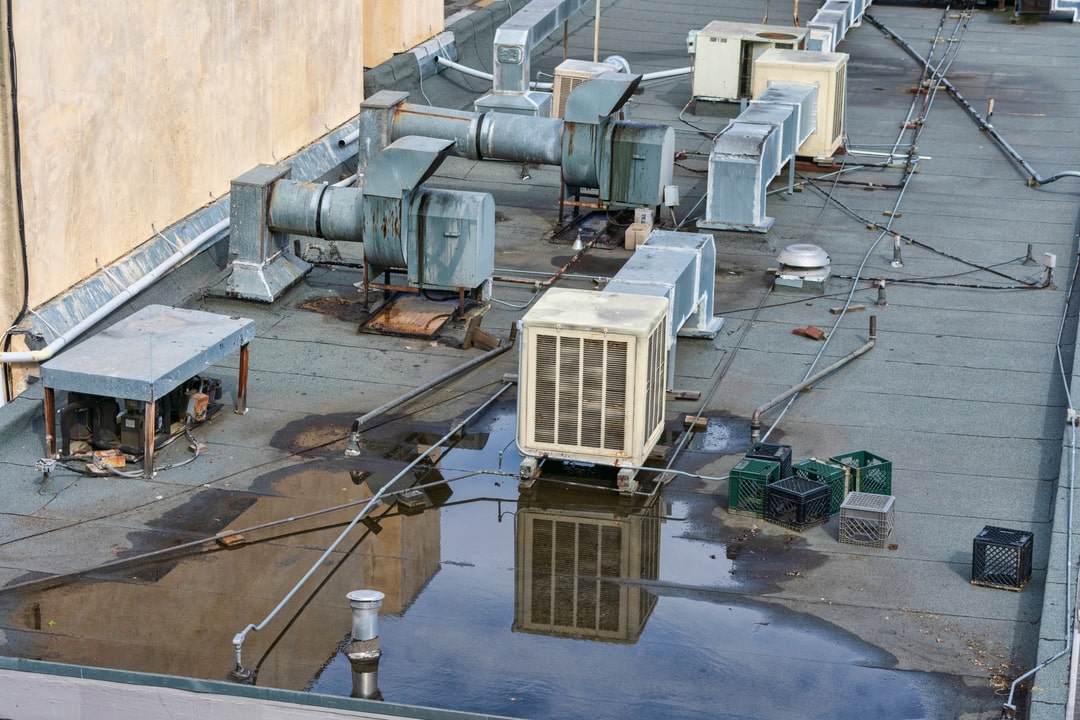
Heavy winds can drive the rain around the windows, through small holes, and under the flashing, penetrating to places that would otherwise remain dry. Flat commercial roofs are also prone to seam deterioration, membrane failures, and punctures, letting moisture in, causing interior damage over time. Clogged gutters and drains can lead to water pooling on the roof, causing structural strain and driving water into the building’s weak points.
HVAC, Boiler & Mechanical Failures
Slow leaks from condensation lines can also cause trouble if the system’s drain pans become clogged or cracked. The resulting overflow can damage walls, ceilings, and everything else surrounding the unit.
Corroded heaters and boilers with faulty relief valves, and pressure problems can also cause leaks (or even sudden ruptures) in older systems. Cooling towers and chillers, and their pipe systems, can also develop leaks, which can cause damage.
Sewer Backups, Flooding & Catastrophic Events
These events require specialised insurance and will usually have distinct coverage as well.
Sewer Back-ups and overflows are usually excluded from standard commercial property policies and require a separate sewer backup and drain overflow endorsement to be added to the policy.
Flooding, or damage caused by rising water coming from external sources (rivers, coastal storm surges), is also excluded from standard arrangements and requires an additional flood insurance policy, which is a must for flood-prone areas.
Major earthquakes, hurricanes, and other catastrophes with unique deductibles and multiple perils (water, wind, etc.) will also often require specialised endorsements.
Does Commercial Insurance Cover Water Damage?
You can file a water damage claim in a commercial property damage claim, but the coverage will depend on the cause of the damage and the exclusions that are in the policy. It’s important to note that standard policies may not cover certain perils and that additional endorsements or separate policies may be required.
What’s Typically Covered Under Commercial Property Insurance
As mentioned, the following are usually covered in commercial property damage arrangements:
- Causes: Pipe bursts, mechanical failures, broken fire sprinkler lines
- Damage: If the cause is covered, the policy will also pay for wall, floor, and roof damage, inventory loss, and equipment malfunction.
- Exclusions: Preventable problems by the property owner are typically excluded. For example, damages related to neglected maintenance and gradual leaks are excluded. Flood waters require separate policies, while sewer damages are only accepted if there’s a specific endorsement added to the property policy.
- Covering Lost Business: Property coverage covers physical damage. Getting BI or Business Interruption coverage can reimburse lost revenue if the covered peril also forces the business to suspend operations. The coverage can often cover the necessary expenses to keep other business operations (payroll, rent, property taxes) running.
Commercial Property Damage Claim Vs Residential Claims
In essence, the main difference between commercial & residential claims is the fact that residential claims focus on one homeowner’s dwelling and personal damages, while commercial claims involve the physical damage to the building structure and its contents. The latter includes the complex operation systems (HVAC, IT infrastructure) and business-critical equipment like machinery and inventory.
In commercial damages, the stakes may be higher, the claim process is more detailed, and the assessment process is more complex. As such, meticulous documentation is paramount, which includes the entire scope of loss, lists of damaged equipment, inventory replacement costs, and professional reports that confirm the extent of system damage across the board.
Types of Commercial Water Damage Claims
Commercial Water Mitigation Claim
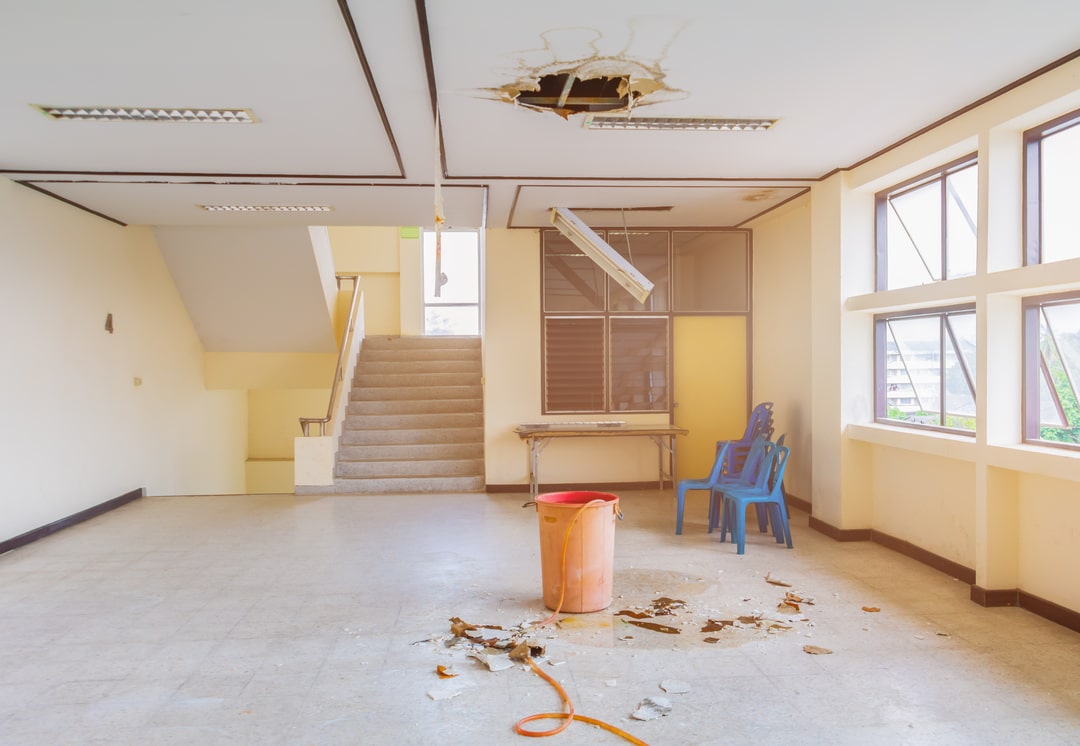
Water damage insurance claims need to cover the steps that prevent further damage and stabilize the environment before reconstruction can begin.
Without strong documentation, mitigation invoices are often underpaid, as carriers scrutinize the duration and the necessity of the work. This may involve challenging the number of drying days or the quantity of the necessary equipment, and the rates charged for the mitigation services.
That’s why proper documentation is vital, with detailed equipment logs, moisture mapping, and a comprehensive drying strategy to avoid underpayments.
Mold-Related Supplemental Claims
Mold often develops if the damages are not mitigated immediately. This may require property owners to address mold problems in a separate but related claim, dealing with habitability and health risks.
Mold can begin to grow within just one to two days after the damage occurs, and often has a coverage cap. If the costs exceed the sublimit, business owners may need to add a supplemental mold damage claim to address that the mold is a direct consequence of the original damage and requires full coverage.
Step-by-Step: How to File a Commercial Water Damage Insurance Claim
Step 1: Stop the Water Source & Begin Mitigation
When a pipe bursts, the first thing is to stop the water to limit the loss and protect the property from further damage (duty to mitigate).
- Stop the Source: Shut off the main water valve in case of internal sources.
- Safety: Disconnect electricity and check structural soundness.
- Immediate Cleaning and Drying: Call experts to begin extricating the water and setting up standardized drying equipment.
- Pre-Mitigation Documentation: Take detailed videos and photos of the damage before restoration, showing the source, state of the contents, and the extent of the damage.
Note that mitigation delays can cause secondary damage, and if the carrier determines that those could have been avoided if you had taken action immediately, associated costs can be denied, reducing the final claim settlement.
Step 2: Document Every Inch of Damage
Detailed documentation is the foundation of a successful commercial water damage claim. Create a comprehensive record of the losses. The documentation should include:
- Moisture Readings: Record moisture content readings daily in the affected area
- Equipment Logs: Log the type, runtime, and number of drying equipment.
- Visual Records: Make high-definition videos and photos of the damaged area
- Material Samples: Keep samples of the damaged materials as needed
Step 3: Notify Your Insurance Carrier
Notify the insurance company as soon as possible. Provide detailed information, like date and time of the event, suspected causes, the property’s address, and a summary of the actions taken to minimize further losses.
Step 4: Carrier Inspection & Adjuster Assessment
After notifying the company, they will assign an adjuster to inspect the damage. They will visit the site, review the mitigation documents, take their own photos, and assess the scope of the damage.
It’s important that the adjuster actually takes their time to assess the loss in order to account for every aspect of the damage.
Step 5: Review the Carrier Estimate Carefully
The adjuster will generate their estimate with dedicated software (Xactimate), which is a standard estimating platform used by the majority of insurers. It uses location-specific pricing databases.
Be careful when they are assessing the damage. Adjusters may understate the issues by scoping the floor only, or not measuring the ceiling, walls, and other damaged structures. They may omit steps like debris removal, contaminant issues, or the necessary duration of drying equipment.
Step 6: Submit Supplements When Damages Are Underpaid
Often, the initial estimate will be a lower figure that won’t cover the actual repair costs. If this is the case, you can file supplemental claims that account for the demolition, disposal, or other steps the adjuster missed.
In addition, you may need to replace the old building systems and materials with current, compliant alternatives. Lastly, the mitigation timeline (especially for drying) may be longer than what the adjuster approved initially, requiring more labor hours and equipment use.
Claim Supplement Pro specializes in reviewing carrier estimates, identifying every missing component, and creating comprehensive, fully documented supplements that help ensure the insurance company pays the full, fair amount required to restore your commercial property.
Key Documentation Needed to Avoid Underpayment
The lack of quality proof is the number one reason commercial water damage claims get underpaid. Here’s a refresher on the importance of documentation:
Moisture Mapping & Drying Logs
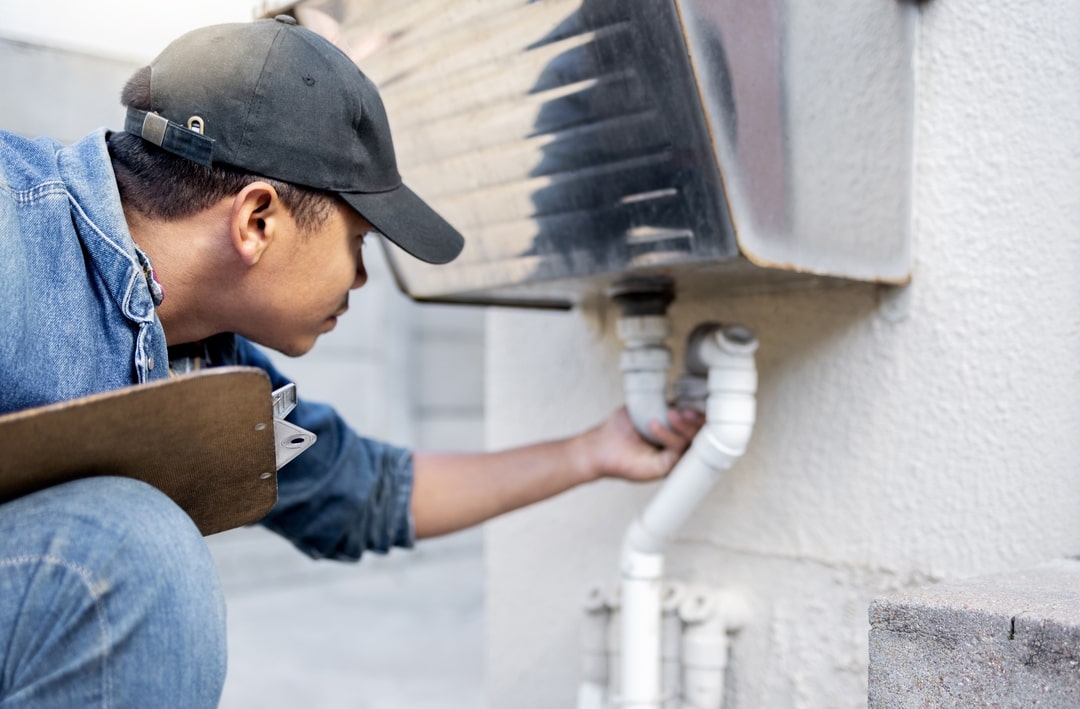
Provide a scientific record of damage extent to justify the duration and necessity of the drying process. Crucial for large commercial losses.
Photo & Video Evidence
Create high-def, time-stamped visuals from several angles, capturing the source and the full extent of the damage before repairs begin.
Equipment Usage and Duration Records
Keep detailed logs (type, serial number, run hours) for all specialized drying equipment (large dehumidifiers, air movers) to prevent the insurer from cutting equipment costs.
Estimates & Itemized Invoices
Organize detailed estimates with Xactimate, and document the necessity of commercial-grade materials, labor, and demolition.
Proof of Business Interruption Costs
If you also have a BI coverage, collect records that prove lost income, like payroll records, sales reports, and documents of temporary operating expenses.
What Is the Average Insurance Payout for Commercial Water Damage?
Giving an exact quote is nearly impossible, as there are various factors that go into consideration–starting with square footage, the nature of building systems, the extent of the damage to the actual premises, and the extent of the business interruption.
When talking about generalized estimates, a small office may receive a settlement of $15,000 – $60,000, and a larger retail business $40,000 – $250,000. In the case of large-scale industrial or commercial losses, the settlement may go from $150,000 to above $1 million.
Still, payouts depend heavily on the quality of the documentation you provide and previous policy limits. And even then, these amounts are often underpaid, requiring premises owners to get supplements.
How Much Can I Claim for Water Damage? (Policy Limits & Realistic Expectations)
Policy limits and endorsements greatly limit the maximum amount you can get, and it’s imperative to understand the coverage across the following categories:
Structure Coverage
This covers the building itself and the components permanently attached to it, like framing, roofing, floors, paint, drywall, electrical system, HVAC, and installed machinery. Commercial policies use Replacement Cost Value (RCV) in these cases, meaning that the insurer will cover the replacement of the damaged property without depreciation in price or quality.
Contents Coverage
This covers the business property inside the structure that is not attached, like supplies, office electronics, tools, furniture, and so on. To justify the contents claims, businesses must have an immaculate inventory of everything, especially for high-value items.
Business Interruption (BI)
This is coverage for lost income (not profit), extra expenses (temporary relocation costs), and continuing expenses (payroll). BI coverage typically applies until the business can return to its normal operational capacity, not just until the structure is dry.
Code Upgrades / Ordinance & Law
This protects against increased repair costs due to code changes from local governments. These apply in the case of older commercial buildings that may require upgrades, like modernizing electrical work. If you don’t have this endorsement in your policy, insurers will only pay to rehabilitate the business to its original condition, while the code compliance costs remain yours.
When to Bring in a Claim Supplement Expert
Underpayment is extremely common due to the high value and complexity of commercial water damage claims. Bringing in an expert can help you level the playing field and get a better payout.
Signs Your Commercial Claim Needs Professional Support
If you or your mitigation specialists encounter any of the following, seek professional help immediately:
- Under-Measured or Skipped Rooms: The estimate does not account for all affected areas or the depth of damage.
- Missing Line Items: The estimate fails to include necessary work like demolition, specialized equipment setup, or cleaning charges.
- Improper Pricing: The pricing applied to commercial-grade finishes, like flooring, is unrealistically low.
- Shortage of Mitigation Coverage: The carrier unjustly denies or cuts payment for necessary initial drying and stabilization work.
- Code Upgrade Denial: The carrier refuses to pay for upgrades mandated by current building codes.
How Supplement Experts Help Restoration Experts & Property Owners
Supplement experts act as advocates to make sure all costs are accounted for and recovered.
They:
- Independently verify the scope of damage against industry standards.
- Create or revise estimates using precise Xactimate line items and pricing, speaking the carrier’s language.
- Document and justify all required Ordinance & Law costs, including them in the settlement.
- Handle the complex, protracted negotiations with the adjuster to reach a fair settlement faster.
Benefits: Faster Payment, Higher Accuracy, Less Stress
Hiring a claim supplement expert helps get better payouts. We’ve seen cases where carriers initially estimated $12,000 loss, which later increased to $50,000 after proper inspection and supplementation.
Why Choose Claim Supplement Pro for Commercial Water Damage Claims
Claim Supplement Pro can help you recover the full cost of repairing commercial water damage. We specialize in large-loss commercial water damage claims and understand the nuanced nature of the policies and coverages in business insurance. With standardized software and expertise, we can create justifiable and indisputable estimates and supplements to insurance carriers.
With meticulous documentation, we reduce the back-and-forth with insurers, speeding up the payout timeline. And by partnering with mitigation specialists nationwide, we take over the bureaucratic hurdles so you can focus on mitigating water-related losses and get back to business as soon as possible.